A Guide To Planning Your Wedding Flowers.
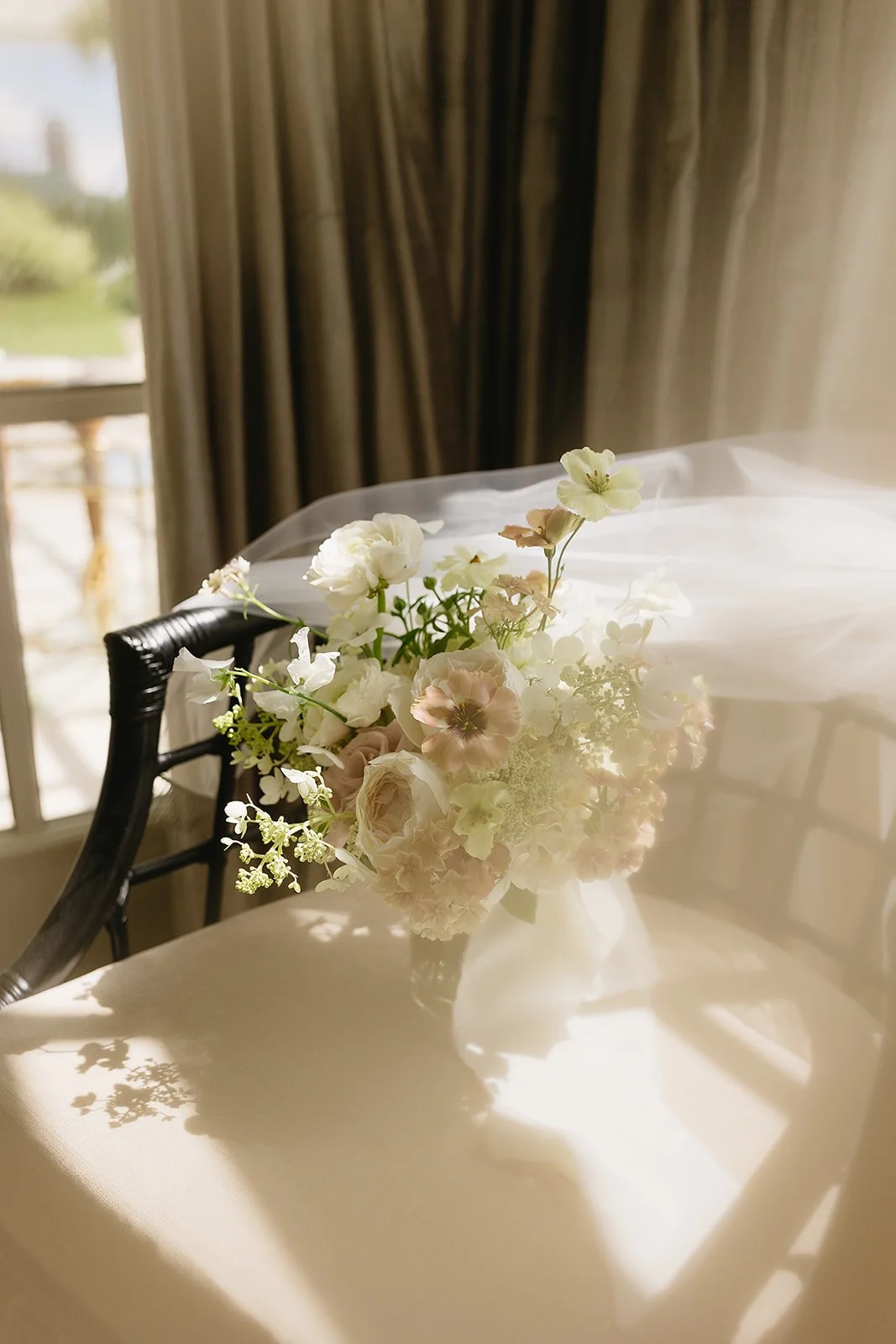
“The purpose of your wedding flowers is to enhance the connection, warmth, and atmosphere of your wedding day.”
Let’s begin…
Wedding planning often comes with a quiet pressure to make everything perfect. In a world of endless Pinterest boards and curated social feeds, navigating the space between inspiration and reality can feel like a lot.
Planning your wedding flowers doesn’t have to feel overwhelming. It can be one of the most joyful, creative parts of the process — when approached with clarity and intention.
This guide is here to walk you through it gently — helping you make decisions that feel grounded, inspiring, and truly aligned with your day.
1. Start With the Feeling
Before we talk about specific flowers, let’s talk about atmosphere.
Close your eyes for a moment and imagine your ceremony.
Is it quiet and romantic? Warm and candlelit? Fresh and garden-inspired? Modern and sculptural?
Your flowers should support that feeling — not overpower it.
Choose three words that describe how you want your wedding to feel.
For example:
grounded, abundant, intimate
airy, organic, refined
romantic, textural, warm
These words become your anchor for every floral decision moving forward.
2. Consider Your Venue Setting
Your venue does a lot of the design work for you.
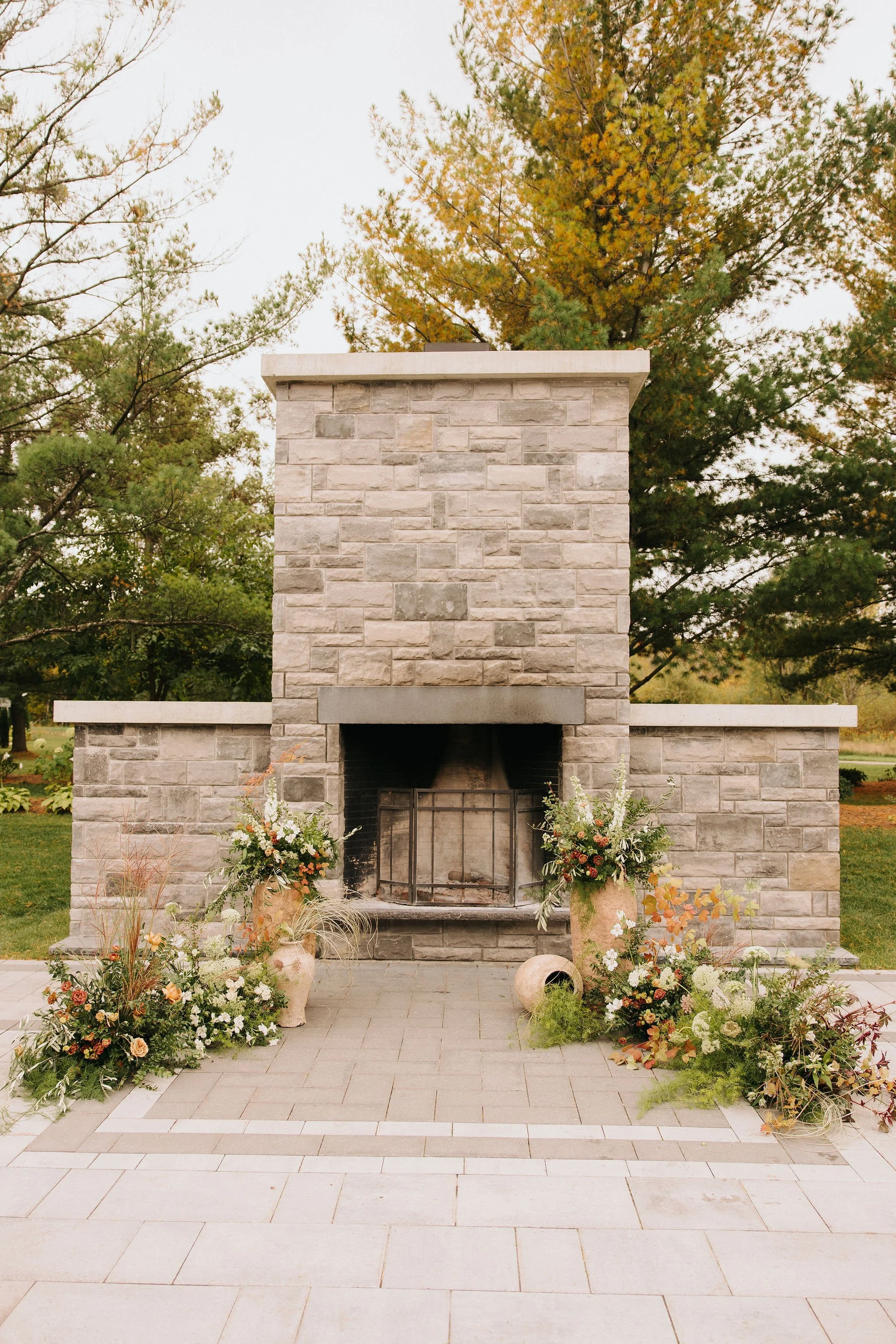
A historic estate requires a different approach than a modern white space, just as a vineyard feels distinct from a downtown loft. A tented garden celebration carries a unique energy compared to an grand ballroom.
When planning your flowers, ask:
What already feels beautiful about this space?
Where does it need softness?
Where does it need warmth or scale?
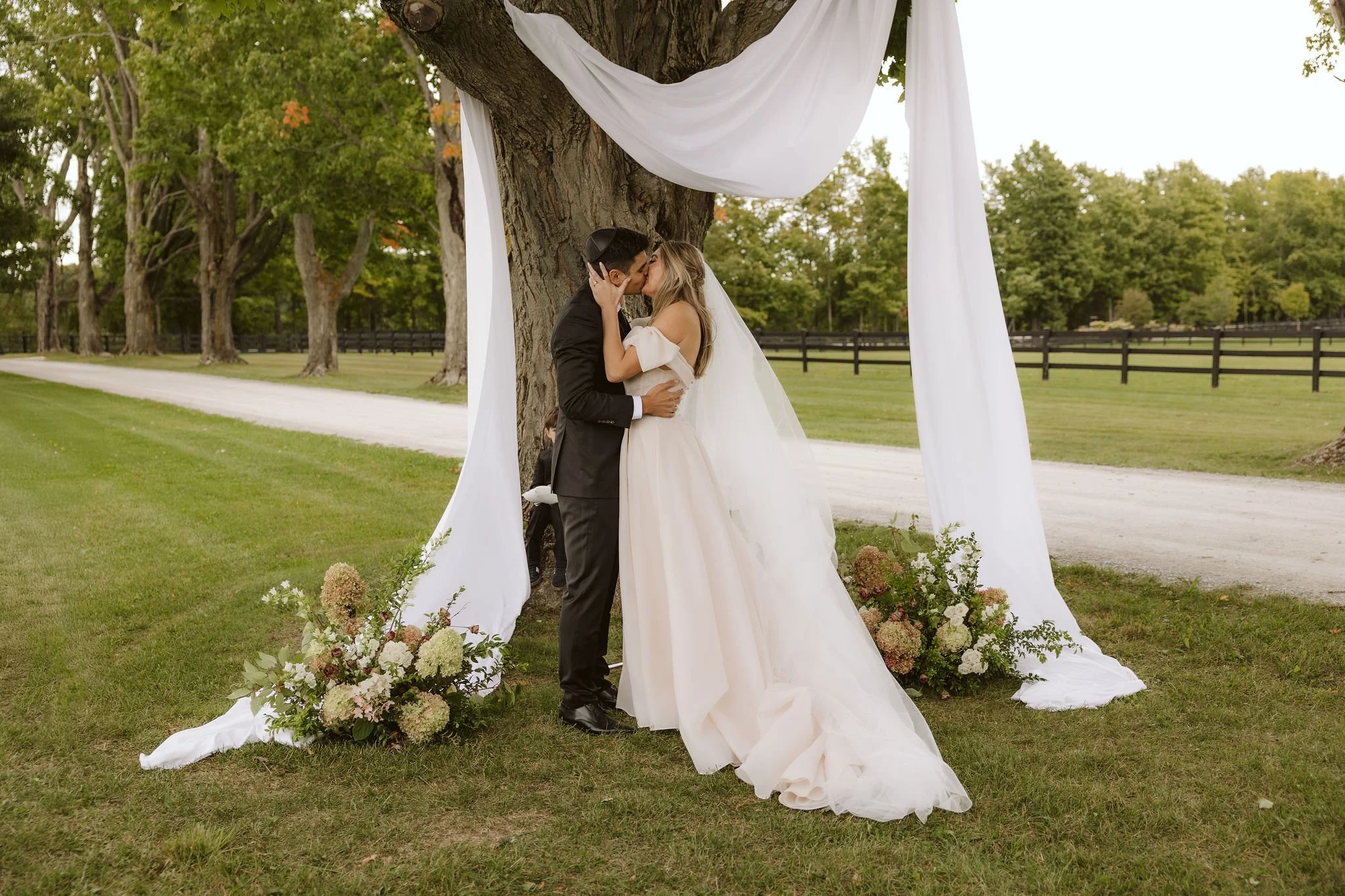
Florals should complement the architecture and surroundings — not compete with them. Sometimes a dramatic installation is needed. Other times, restraint feels far more elevated.
3. Make The Most Impact With Your Budget
No matter your flower budget, you want to be able to make the most of it. To do so, consider the floral aspects that are most important to you, and what ones will make the biggest statement. Not every space needs to be filled. The key is intentional placement.
I recommend you begin with a focus on making a statement in high tough point areas, like the following:
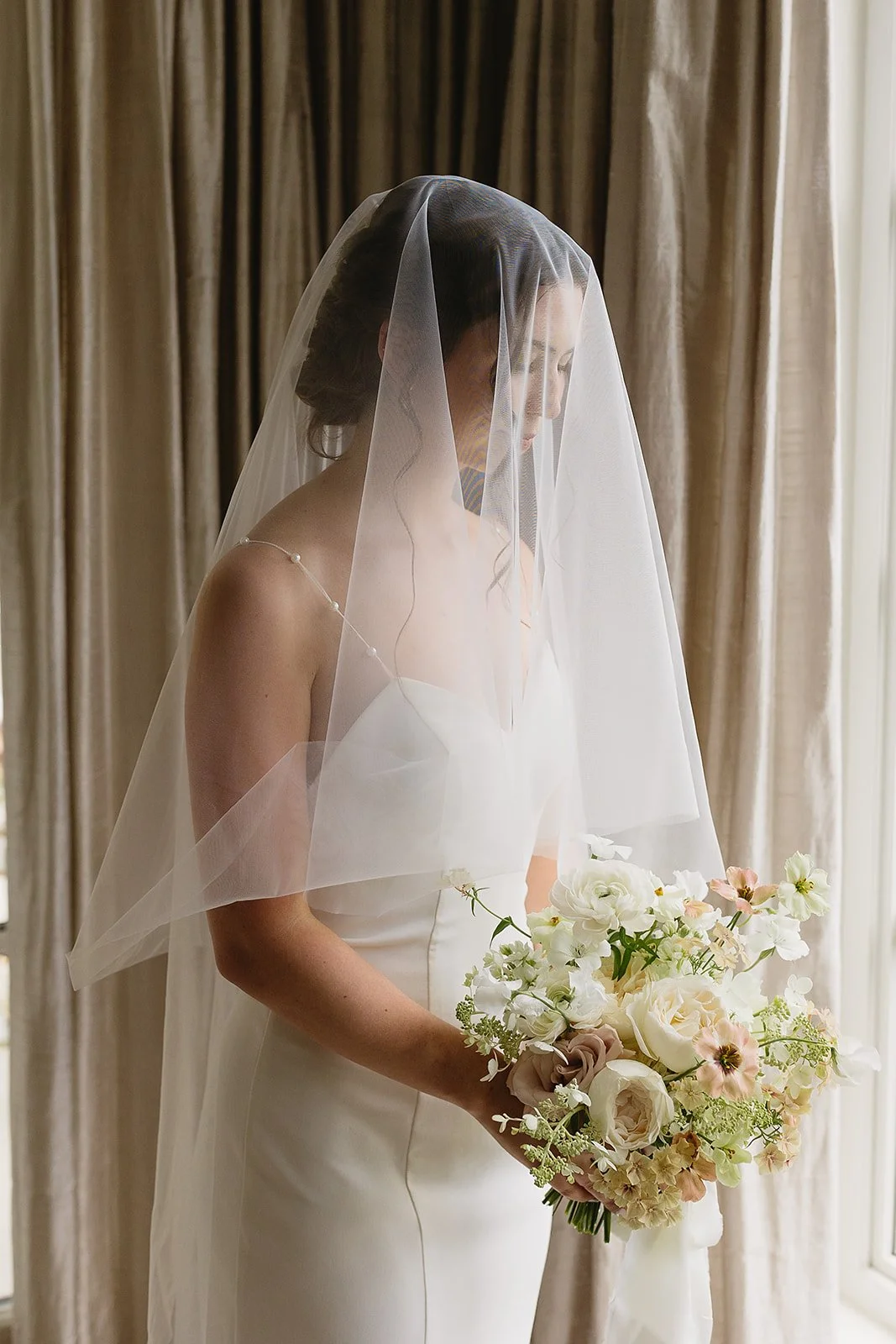
bridal bouquet
ceremony alter
guest tables
head table
bar
These are the areas that your guests will be looking at the most during the day therefore making them more likely to be remembered. Smaller accent areas such as, seating chart, welcome table, etc. are less likely to impact the overall feel.
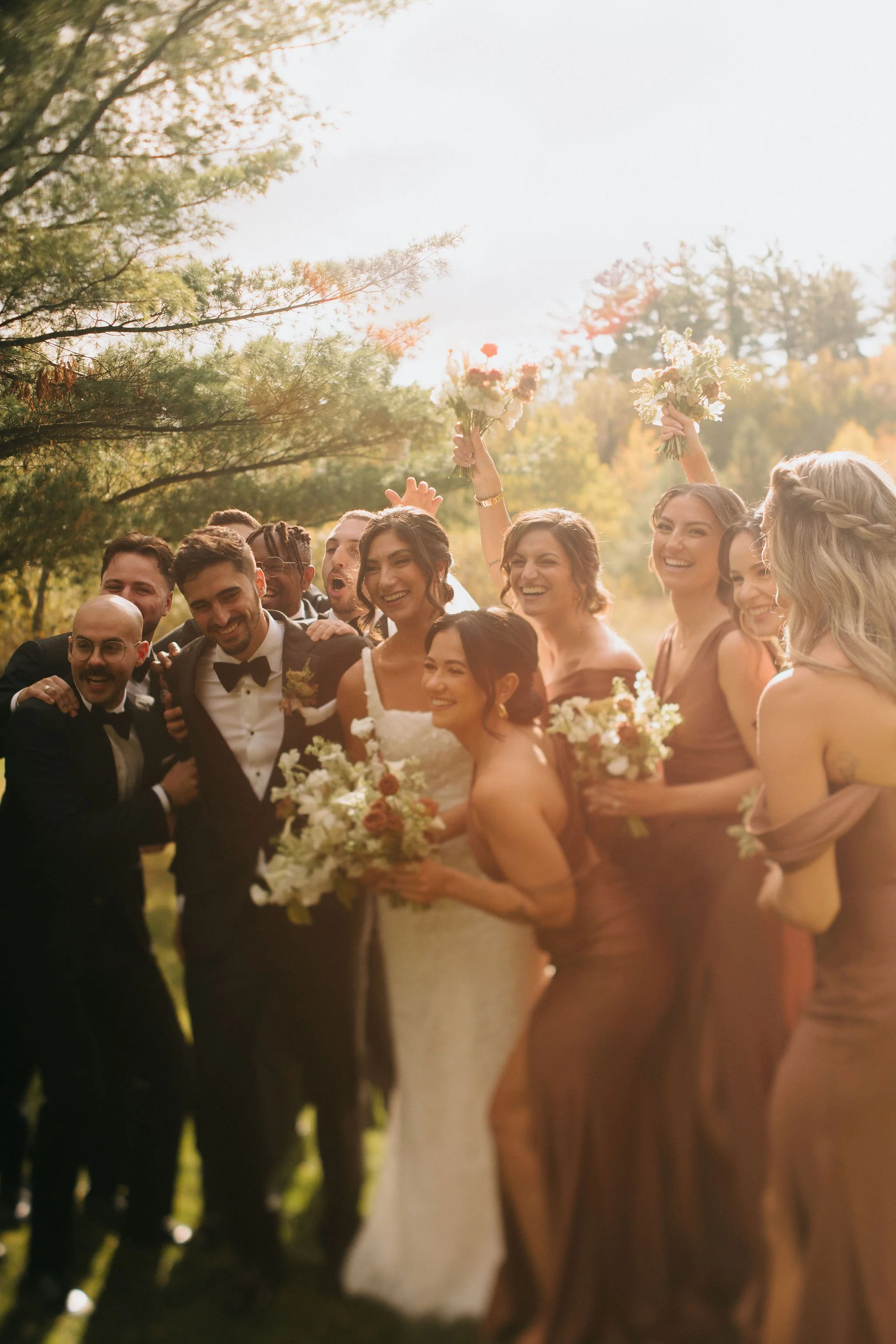
Florist Tip #1: A large bridal party can eat into your overall budget very quickly. Bridesmaids bouquets are really only seen when walking down the aisle and then often get stashed away in a corner for the rest of the night. Consider scaling back on your attendants bouquets by opting for a simple mono-bloom posy or 1-3 stems of a statement flower like Anthurium or Calla Lily.
Florist Tip #2: Often, your ceremony flowers can be repurposed in your reception space. This could look like moving your alter flowers to the entrance of your reception space, or making a feature of your sweetheart table. Make sure you chat with your florist about ceremony designs that work best for this!
4. Choose a Palette, Not a Flower List
It is best to be f lexible when it comes to specific flower varieties. Having a solid colour palette and style (this is where you can refer to your three descriptive words from Step 1.) is enought to set your florist up for success because they can interpret your colour palette in whatever flowers are best available for your wedding date.
You don’t need to figure this all out on your own, if you have a general idea of colours your love and a feeling you want to create your florist can select the best seasonal blooms that achieve that look beautifully.
Seasonal blooms tend to:
Look more natural
Feel more abundant
Offer better value
We love to design with the season and setting in mind — allowing florals to feel as though they belong and are a natural extension of your surroundings. This approach keeps the design cohesive — and allows for creativity and flexibility.
5. Trust the Creative Process
Once you’ve chosen a floral designer whose work resonates with you, trust them.
Share:
Your vision words
Your venue
Your priorities
Your investment range
Then allow space for interpretation. The most beautiful weddings feel effortless because someone was given room to create — not replicate.
A Final Note
I believe the purpose of your wedding flowers is to enhance the connection, warmth, and atmosphere of your wedding day.
They’re not about excess.
They’re about intention.
They are there to frame the moments that matter most and offer an invitation to be fully immersed in the present moment.
If you would like to know more about the floral services I offer, what it’s like to work with me, or have a look at my pricing guide you can follow this link - Services & Pricing Guide.
- Mandy